Not sure what to pack for a day walk? Your hiking gear checklist australia starts with shoes, water, layers, sun cover, first aid and a way to call for help.
This checklist sits within the wider guide to outdoor activities in canberra, and it focuses on short walks rather than overnight trips.
| Item | Guide figure |
|---|---|
| Water for most day walks | 2 litres |
| Water in spring weather | 0.5 litres per hour of walking |
| Snake bandage in the first aid kit | 10-15cm wide elastic bandage |
| Beacon on walks with poor phone coverage | At least 1 Personal Locator Beacon (PLB) |
| Food and water to keep you going | Enough for 24 hours |
These figures come from Bushwalking NSW’s carry list and Region Canberra’s report of 3 November 2026. They can change, so check the source before you rely on them.
What belongs in a day-walk pack?
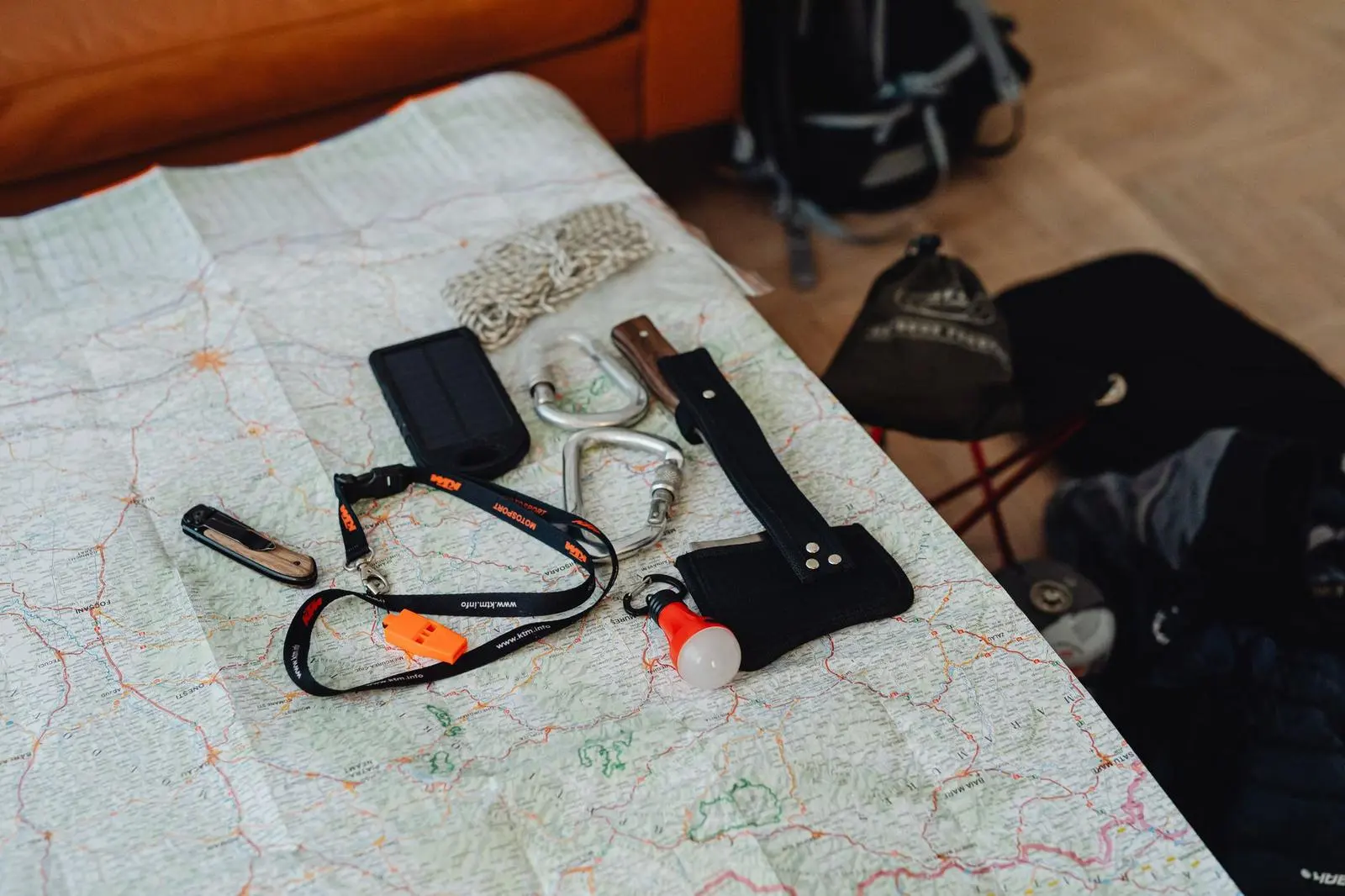
Bushwalking NSW describes its lists as guides only and asks walkers to allow for seasonal conditions and the terrain, according to its carry list. Its gear for a day bushwalk is short enough to memorise:
- Comfortable walking shoes or boots
- A day pack
- Food and water
- A personal first aid kit
- A lightweight or head torch
- Wet weather gear and a jumper
- A hat and sunscreen
- A whistle
- An emergency or space blanket
That list is a version dated 2017, so match it against the forecast, the track and advice from the land manager.
Bushwalking Victoria makes a similar point in its Walk Safely page. It says there are no hard rules, and that what is safe on a short walk may be unsafe on a longer or more remote trip.
Footwear and clothing for local tracks
Region Canberra reports that rescue crews keep repeating the same advice: wear enclosed shoes and hiking gear, not jeans and thongs. The advice appears in its summer safety report.
A World Nomads safety guide says flip-flops, sandals and wedge heels are not suitable. It suggests runners or proper walking boots instead.
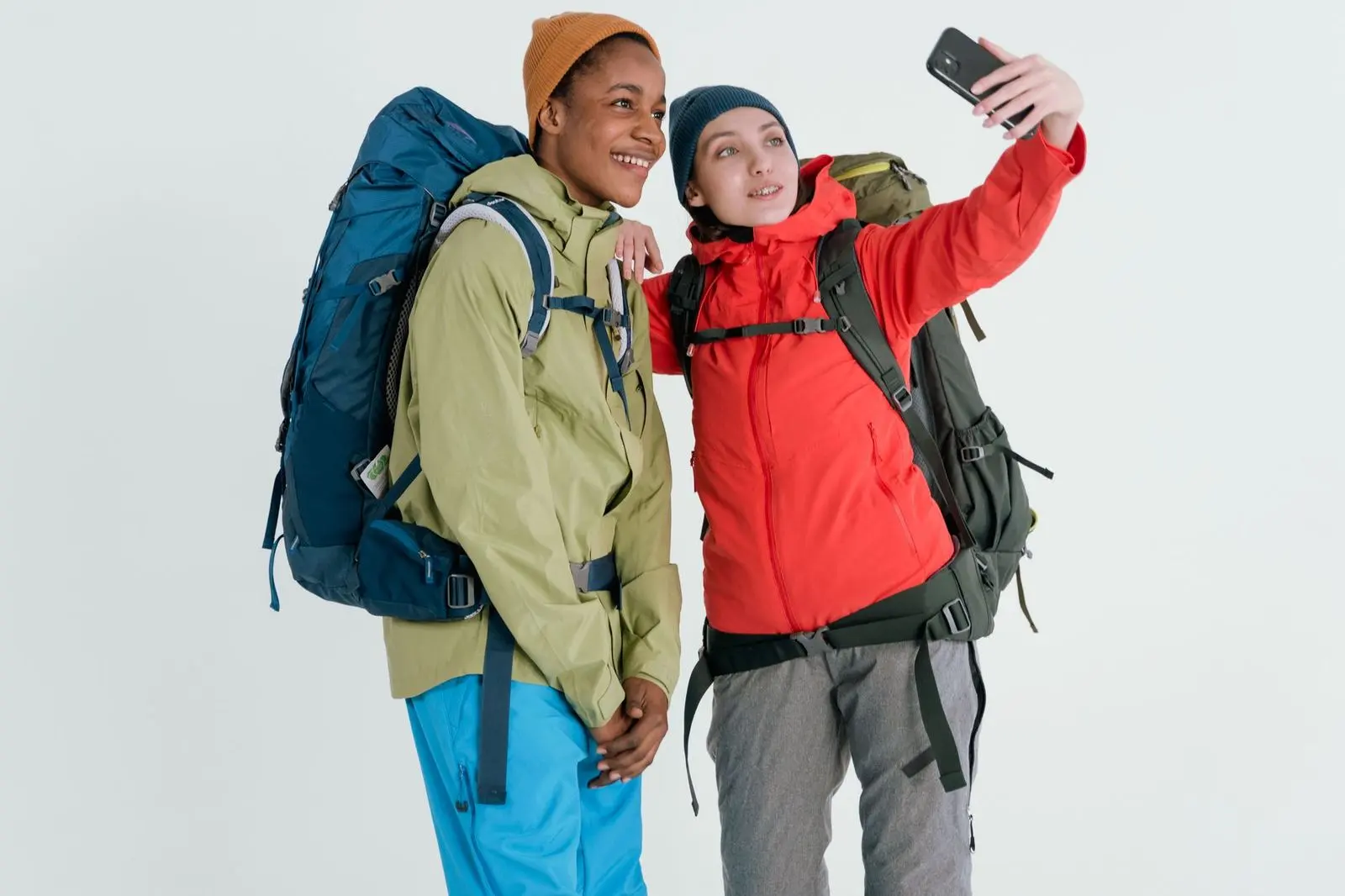
On layers, an AFP Search and Rescue officer quoted by Region Canberra said you need enough to keep warm, such as a wet weather jacket if the weather turns cold or rain arrives. You do not need a giant backpack of gear to manage that.
Readers who run rather than walk can find route ideas in the guide to running routes in canberra.
How much water and food should you carry?
Bushwalking NSW’s advice is 0.5 litres per hour of walking in spring weather, which it equates to 2 litres for most day walks. It points readers to separate guidance for hot weather, so treat the spring figure as a floor rather than a target. The numbers are in its carry list.
Region Canberra quotes a rescue officer saying you need just enough food and water to sustain yourself for 24 hours. The same report tells walkers to take more food, water and sunscreen than they think they will need.
If you take regular medication, pack it. Bushwalking NSW suggests a separate container labelled with the drug name, when to use it, the dosage, possible reactions and the expiry date.
Hiking gear for first aid, light and calling for help
The personal first aid kit in the Bushwalking NSW list is more detailed than most people expect. It includes:
- A 10-15cm wide elastic bandage, also called a snake bandage
- A triangular bandage and fasteners
- Wound dressings and assorted bandaids
- Paracetamol, saline and antiseptic
- Blister treatment
- Small scissors and tweezers
Region Canberra quotes the ACT Parks and Conservation Service senior director saying rescue jobs range from a walker who has had a fall in a Canberra Nature Park reserve to an experienced hiker bitten by a snake on a multi-day hike. That is why a first aid kit belongs in the pack even on a familiar loop, as the report explains.
For communication, Bushwalking NSW says at least one Personal Locator Beacon should go on walks with limited or no mobile phone coverage. An older World Nomads guide adds that, when it was published, such beacons could be rented or borrowed free of charge from police stations and national parks offices in major bushwalking regions, including Blue Mountains National Park and Kosciuszko National Park.
The same guide calls a beacon a last resort, with a phone the first choice where there is service. Because lending arrangements change, ask the land manager for your route what is available now.
Planning habits that go with the gear
Region Canberra’s list of recurring rescue advice doubles as a short pre-walk routine:
- Check the weather before you head out.
- Walk with someone in case you get injured.
- Use log books at the trailhead and cabins along your walk.
- Tell someone where you are going and when you expect to be back.
- Take a means to communicate.
Bushwalking Victoria notes that an emergency can happen on any trip, including an easy day walk. Check current conditions, closures and safety advice with the land manager, such as the ACT Parks and Conservation Service, before you set out; see the Bushwalking Victoria page for its planning guide.
If a day walk grows into an overnight trip, the guide to camping near canberra is the next place to look.
Frequently asked questions
Do I need a beacon for a short walk?
Show answer
It depends on coverage rather than distance. Where your phone may drop out, Bushwalking NSW expects a beacon to be carried by the group; where a signal holds, a phone call is the first option.
Which shoes are best for a day walk?
Show answer
Choose closed shoes with a firm grip, such as runners or proper walking boots. World Nomads rules out sandals, flip-flops and wedge heels.
Should I think about ambulance cover?
Show answer
Bushwalking Victoria advises every participant to hold ambulance insurance, because medical evacuations are expensive. See its Walk Safely page for the wording.
Is it safe to walk alone?
Show answer
A World Nomads guide says never walk alone and suggests a group of at least four so that people can split up to get help. Region Canberra also lists walking with someone as standard advice, in its summer safety report.