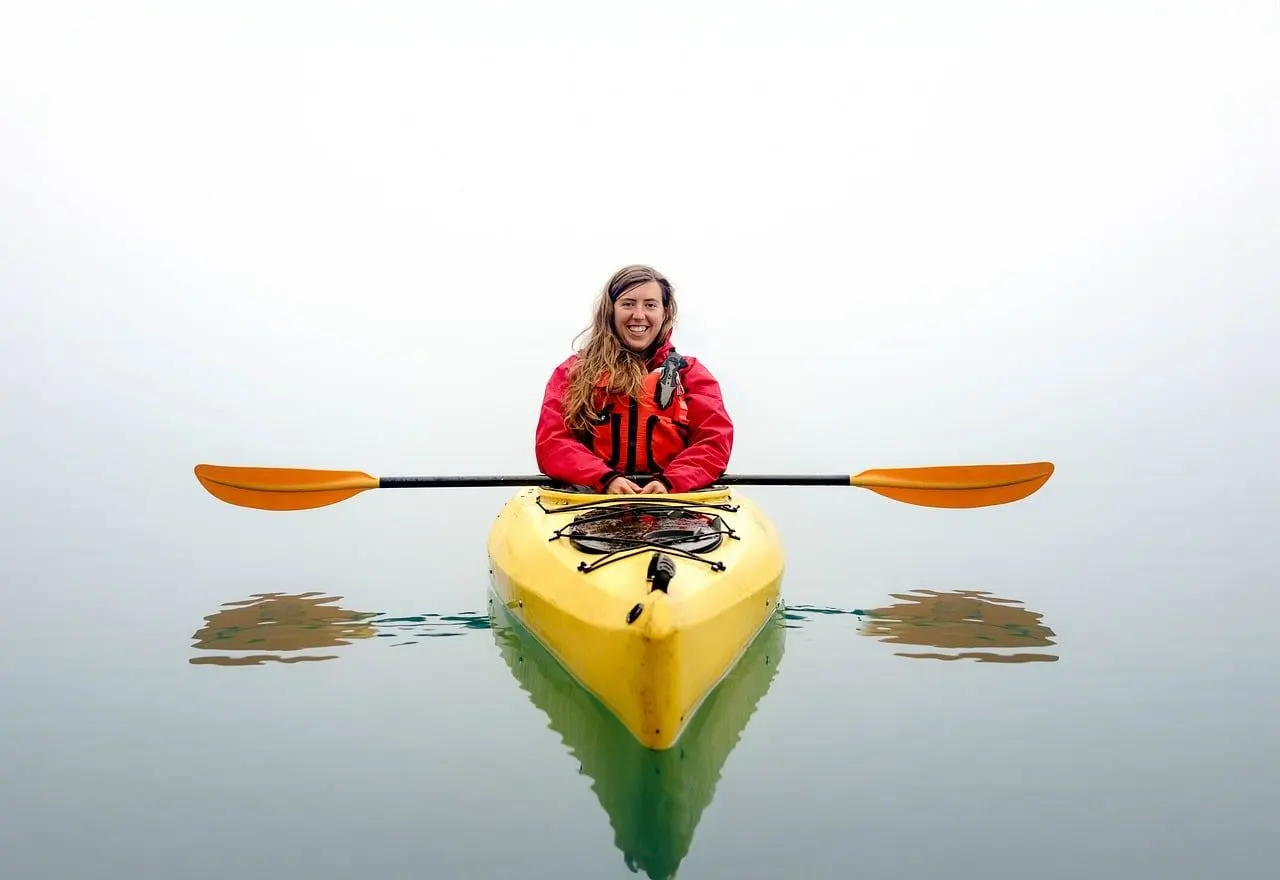
If you’re considering kayaking and paddling in canberra but feel unsure where to begin, start by assessing Lake Burley Griffin and checking its conditions. Your first outing can be a modest paddle, with a route and return plan that suit your abilities.
For other ways to spend time outside, explore the guide to outdoor activities in canberra.
| Planning factor | Guideline |
|---|---|
| Personal safety | Wear a life jacket while on the lake |
| Small craft | Rough water can be dangerous |
| Winter water temperature | Often extremely cold |
| Motor vessels | Must give way to non-powered vessels |
| Emergency telephone number | 000 |
These points come from the Lake Burley Griffin safety guidelines. Figures and conditions can change: check the source and current advice from the land manager before you rely on them.
Start with Lake Burley Griffin
For Lake Burley Griffin, start your planning with the lake safety guidance, which warns that rough water can be dangerous for small craft. Use that advice to help assess whether the conditions suit your proposed kayak or canoe outing.
A specific launch point still needs checking before you travel. Ask the land manager about current access, closures and safety advice, then choose a departure and return arrangement you understand.
Keep your initial plan manageable rather than building the day around a distant destination. Decide what would make you shorten the outing, change the route or stay ashore before you have a boat in the water.
Your destination choice should also reflect what you actually want from the day. If getting into the water matters more than travelling across it, consult swimming spots canberra as a separate planning resource and check the relevant location’s current advice.
Check conditions before choosing your route
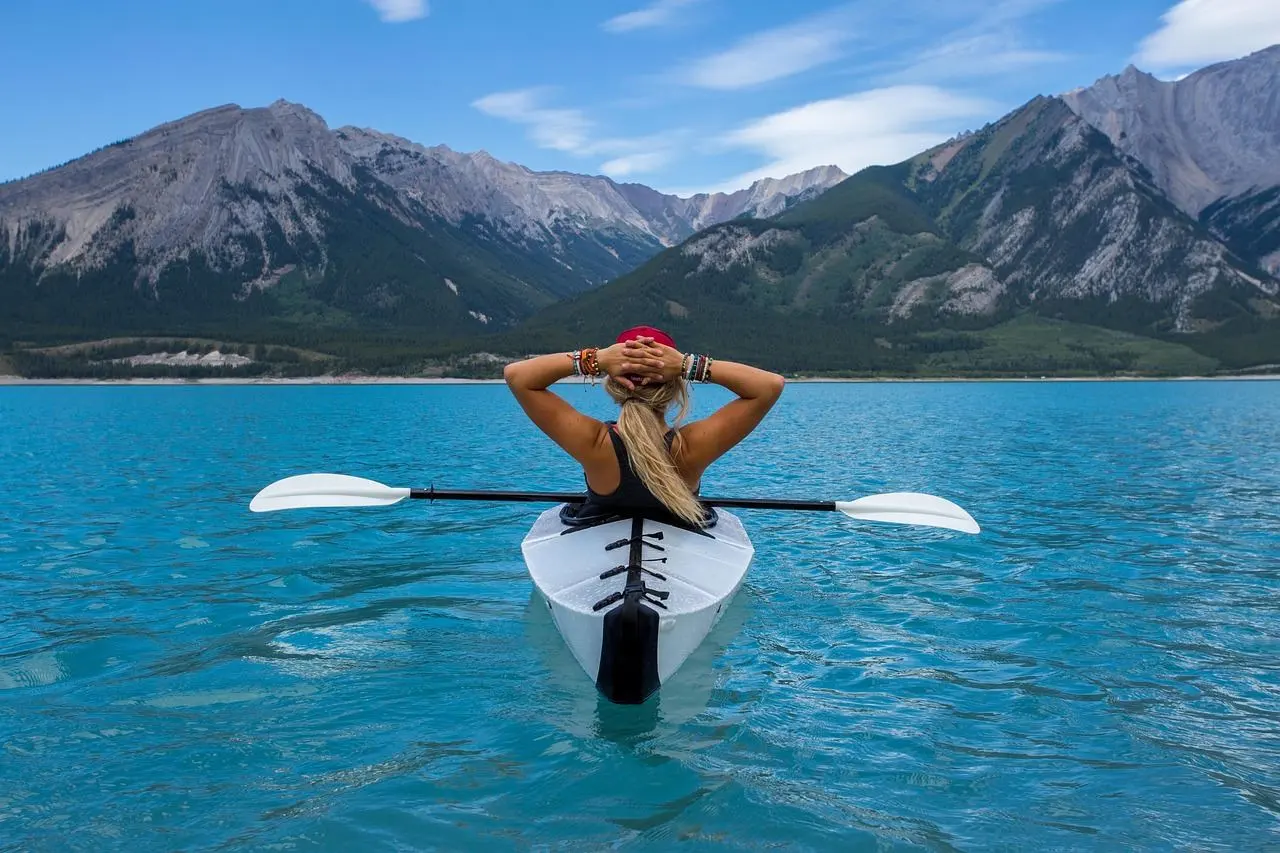
Weather and water quality belong in the decision before departure. The lake guidelines advise checking the latest weather, planning accordingly and consulting the Swim Guide website or app for water quality information.
Rough water deserves particular attention because the guidance identifies it as dangerous for small craft. Read the conditions advice, and avoid treating a planned departure as a commitment you must keep.
Cold water also needs a place in your decision. The safety guidance says the lake can be extremely cold in winter and that wind chill can exacerbate hypothermia risk even in warmer months.
Use a short departure review to turn those checks into a practical choice:
- Does the latest advice support the outing you have planned?
- Are you comfortable with the conditions you can actually see?
- Can you describe where you intend to go and how you will return?
- Would changing the plan make the day more manageable?
A shore-based alternative can make it easier to abandon a paddle without abandoning your day outside. Keep running routes in canberra available as another option, with its own conditions and access checks.
Prepare your equipment and return plan
Equipment preparation starts before the shoreline. The lake guidelines call for checking that equipment works, wearing a life jacket on the lake and dressing appropriately for the conditions.
Use the following packing checklist, drawn from the same safety guidance, when preparing your kayak or canoe outing:
- A mobile phone in a waterproof pouch.
- Sufficient drinking water and sun protection.
- A noise maker attached to the watercraft so it is not lost if the craft capsizes.
Your return plan needs an audience beyond the people paddling with you. The guidelines advise telling friends or family your departure time, expected return and proposed route.
Make that message specific enough to reflect the outing you intend to take. Write it after choosing the route, then review it if your plans change before departure.
Alcohol and drugs are incompatible with operating watercraft under the lake guidance. The safety instructions say not to operate any watercraft while under their influence.
Share the water with attention
A lookout is an active part of the paddle. The shared-use guidance tells lake users to look in both directions and take care when entering or crossing busy areas.
Submerged hazards also warrant attention. The guidelines specifically identify submerged trees and other snags, particularly during changing weather conditions.
Right of way should sit alongside collision avoidance in your thinking. Although the lake guidance says motor-powered vessels must give way to non-powered vessels, it also instructs users to keep clear of larger vessels and take great care to avoid collisions.
Build a crossing decision into your route rather than assuming every intended movement will be straightforward. Give yourself room to reconsider a crossing when you reach it, and keep paying attention after you have started moving.
Emergency help is reached by calling 000, as stated in the lake safety guidelines. Keep that instruction distinct from routine route planning or questions about access.
Frequently asked questions
Which launch should a beginner choose?
Show answer
A beginner launch cannot be selected reliably from the supplied safety document alone. Get current access information from the land manager and seek advice that takes your skills, equipment and proposed outing into account.
Does this guide confirm kayak hire is available?
Show answer
Hire availability is not established by the supplied material. Before travelling with a rental in mind, independently confirm the provider’s operating arrangements and what equipment the hire includes.
Should a kayak and a canoe follow different itineraries?
Show answer
A boat-specific itinerary needs more information than the craft’s label. Describe your experience and intended journey when seeking local advice rather than assuming a route recommendation applies equally to every setup.
How much distance should you aim to cover?
Show answer
Make distance a flexible outcome of your planning. For an unfamiliar outing, consider setting an agreed turnaround decision instead of making a particular destination the measure of a successful day.