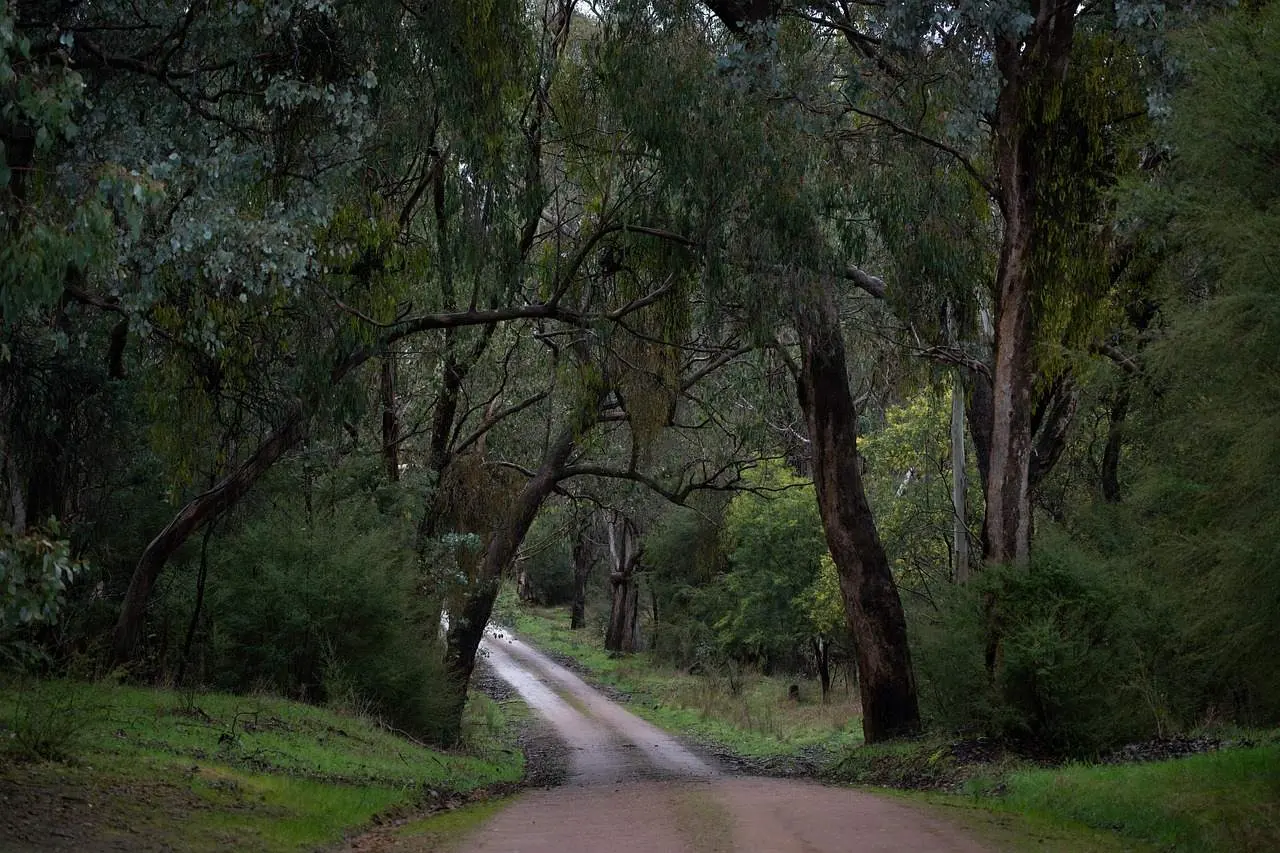
Want quiet bushland without leaving town? Canberra nature reserves give you 39 protected areas to choose from, and the larger ones, such as Rob Roy, have the most room to spread out.
If you want the wider picture, the guide to outdoor activities in canberra covers other ways to spend time outside.
| Item | Value |
|---|---|
| Reserves in Canberra Nature Park | 39 nature reserves |
| Reserve Management Plan | 2021 plan, guiding management over the next 10 years |
| Largest area in the Wikipedia list | Rob Roy Nature Reserve, 19.77 km² |
| Mulligans Flat Woodland Sanctuary | 12.53 km² |
| Recreational drones | Not allowed over Canberra Nature Park under the 2021 plan |
| Dogs, horses and bikes | Kept to designated tracks and trails |
These figures come from the ACT Government’s YourSay page on Canberra Nature Park and the Wikipedia entry for Canberra Nature Park. They can change, so check the source before you rely on them.
What the Canberra Nature Park covers
The Canberra Nature Park is a series of 39 protected areas in and around the city, ranging from bushland hills to lowland native grassland, according to Wikipedia. Many of the areas were cleared for grazing in the past, and many are now returning to native bushland through revegetation and rehabilitation programs.
The ACT Government describes the same network as 39 nature reserves. Its Reserve Management Plan 2021 is meant to guide their management over the next 10 years, as set out on the YourSay page.
The same page lists several aims for the reserves:
- Protect forest, woodland and grassland ecosystems, and provide habitat for native wildlife, including many threatened species.
- Protect significant cultural heritage sites.
- Support nature-based experiences and an active lifestyle for the community.
The reserves sit on the lands of the Ngunnawal people. The ACT Government page says Traditional Custodians work in partnership with the Parks and Conservation Service to manage Country together.
Which reserves have the most room?
Size is a rough guide to space, although neither source measures visitor numbers. In the Wikipedia list, Rob Roy has the largest area at 19.77 km², ahead of Mulligans Flat Woodland Sanctuary at 12.53 km².
| Reserve | Vegetation listed | Area |
|---|---|---|
| Rob Roy Nature Reserve | Forest | 19.77 km² |
| Mulligans Flat Woodland Sanctuary | Woodland | 12.53 km² |
| Goorooyarroo Nature Reserve | Woodland | 7.01 km² |
| Mount Ainslie Nature Reserve | Forest/woodland | 6.37 km² |
| Black Mountain Nature Reserve | Forest | 4.52 km² |
| Jerrabomberra Wetlands Nature Reserve | Wetland | 2.08 km² |
| Budjan Galindji Grasslands Nature Reserve | Grassland | 0.2 km² |
Vegetation types and areas come from the Wikipedia list of Canberra Nature Park areas. Sizes and boundaries can change, so check with the land manager before you plan around them.
Use size as a starting point if you want distance, then match the vegetation type to the landscape you prefer.
Forest, woodland, grassland and wetland
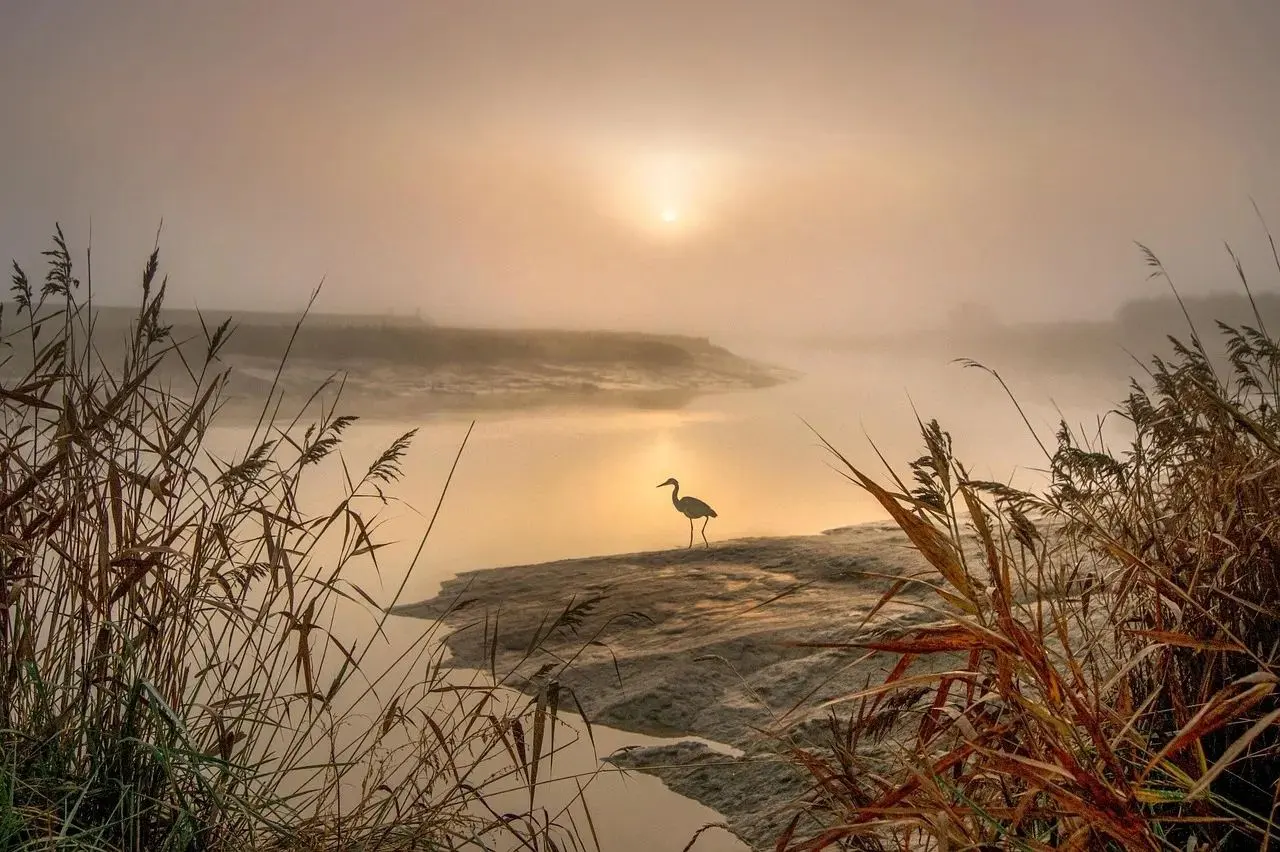
The reserves are not all bushland hills. Wikipedia classes each one as forest, woodland, grassland or wetland, so the feel of a visit changes from one reserve to the next.
- Forest: Black Mountain and Rob Roy are both listed as forest.
- Woodland: Goorooyarroo and Mulligans Flat Woodland Sanctuary are listed as woodland.
- Wetland: Jerrabomberra Wetlands Nature Reserve is the wetland entry.
- Grassland: Budjan Galindji Grasslands Nature Reserve is one of several grassland reserves.
Wildlife is part of the appeal. A photo caption on Wikipedia describes one of many grey kangaroos in the nature parks, photographed near Mount Majura.
Inner hills close to the city
Many of the best-known reserves are the hills that frame the city. Wikipedia says Black Mountain, Mount Ainslie, Mount Majura, Red Hill and other inner hills are protected from development by the National Capital Plan, and almost all are now part of the nature park system.
Most people in Canberra live within easy walking distance of a nature park area, according to Wikipedia. Gates let you walk or run in, while motorbikes are excluded.
Mount Ainslie Nature Reserve is listed as forest and woodland, with an area of 6.37 km² according to Wikipedia. If you want a closer look at one hill, the mount ainslie walk guide is a good place to start.
Rules that protect the reserves
The 2021 plan introduces codes of practice for dog walking, horse riding and bike riding. They keep those activities to designated tracks and trails, to limit harm to native plants and animals, according to the ACT Government.
Under the 2021 plan, these are the main limits described on the YourSay page:
- Dogs, horses and bikes stay on designated tracks and trails.
- Recreational drone use is not allowed over Canberra Nature Park, because of wildlife, fire risk, privacy and enjoyment of the natural environment.
- Access restrictions apply to some areas, such as rural leases.
- Motorbikes are excluded from the parks, as Wikipedia notes.
If you ride, the guide to cycling paths in canberra helps with route planning, but inside the reserves you should stay on designated tracks.
Conservation officers under the Nature Conservation Act 2014 can issue infringement notices for a range of offences, according to the YourSay page. The draft plan went out for public comment from 23 September 2019 to 16 December 2019 before the final version was completed.
Planning a quiet visit
Start with the land manager, because the sources give no opening times, closures or track conditions. These steps follow what they do say:
- Check current conditions, closures and safety advice with the land manager, the ACT Government’s Parks and Conservation Service.
- Choose a reserve by landscape: forest, woodland, grassland or wetland.
- Enter through a gate and stay on designated tracks and trails.
- Leave the drone at home, and keep dogs, horses and bikes to the designated tracks.
- Treat wildlife and cultural heritage sites with care.
Frequently asked questions
How many reserves make up Canberra Nature Park?
Show answer
The ACT Government’s YourSay page and Wikipedia both put the total at 39, though one calls them reserves and the other protected areas.
Which reserve is the biggest?
Show answer
Wikipedia’s area column puts Rob Roy Nature Reserve first, measuring 19.77 km² in the published table. Check the land manager for the latest boundaries.
Can I fly a drone over a reserve?
Show answer
The 2021 management plan rules out recreational drones across the park, as the ACT Government’s page explains. Ask the land manager whether anything has changed since.
Can I bring a dog or a bike?
Show answer
Both fall under the plan’s codes of practice, which confine them to designated tracks and trails. Rules can differ between reserves, so confirm with the land manager before you go.